
Política de devoluciones y cambios
Importante: esta es una plantilla base. Revísala y complétala con los datos reales de tu tienda antes de publicarla. No constituye asesoría legal.
1. Plazo para solicitar cambios o devoluciones
Puedes solicitar el cambio o la devolución de un producto dentro de los [NÚMERO] días calendario posteriores a la recepción del pedido.
2. Condiciones del producto
El producto debe estar sin uso, en su empaque original y con todos sus accesorios y etiquetas. No se aceptan productos dañados por mal uso.
3. Productos no sujetos a devolución
Por motivos de higiene o naturaleza del producto, algunos artículos pueden no ser elegibles para devolución (por ejemplo, [LISTAR EXCEPCIONES]).
4. Cómo solicitar un cambio o devolución
Escríbenos a [CORREO DE CONTACTO] indicando tu número de pedido y el motivo. Te indicaremos los pasos a seguir.
5. Reembolsos
Una vez recibido y verificado el producto, procesaremos el reembolso por el mismo medio de pago en un plazo de [NÚMERO] días hábiles.
6. Costos de envío
Los costos de envío por cambios o devoluciones se asumirán según [INDICAR POLÍTICA: cliente / tienda].
7. Productos con defecto de fábrica
Si el producto presenta un defecto de fábrica, cubriremos los costos de envío del cambio.
8. Contacto
Para cualquier consulta escríbenos a [CORREO DE CONTACTO].
Many agribusinesses and food processors source raw materials from smallholder farmers. This is particularly true in certain sectors, such as coffee, cocoa and sugar.
Over the past 20 years there has been a shift towards more traceable supply chains. Rather than purchasing crops that have passed through several layers of collectors, firms are now sourcing directly from farmers or trusted aggregators. The drivers for this change include concerns about food safety, child labor and environmental sustainability as well as a desire to increase productivity.
With the increasing globalization and easier access to different kinds of alternative products in today's markets, the importance of product design to generating demand is more significant than ever. In addition, as supply, and therefore competition, among companies for the limited market demand increases and as pricing and other marketing elements become less distinguishing factors, product design likewise plays a different role by providing attractive features to generate demand. In this context, demand generation is used to define how attractive a product design is in terms of creating demand. In other words, it is the ability of a product's design to generate demand by satisfying customer expectations.
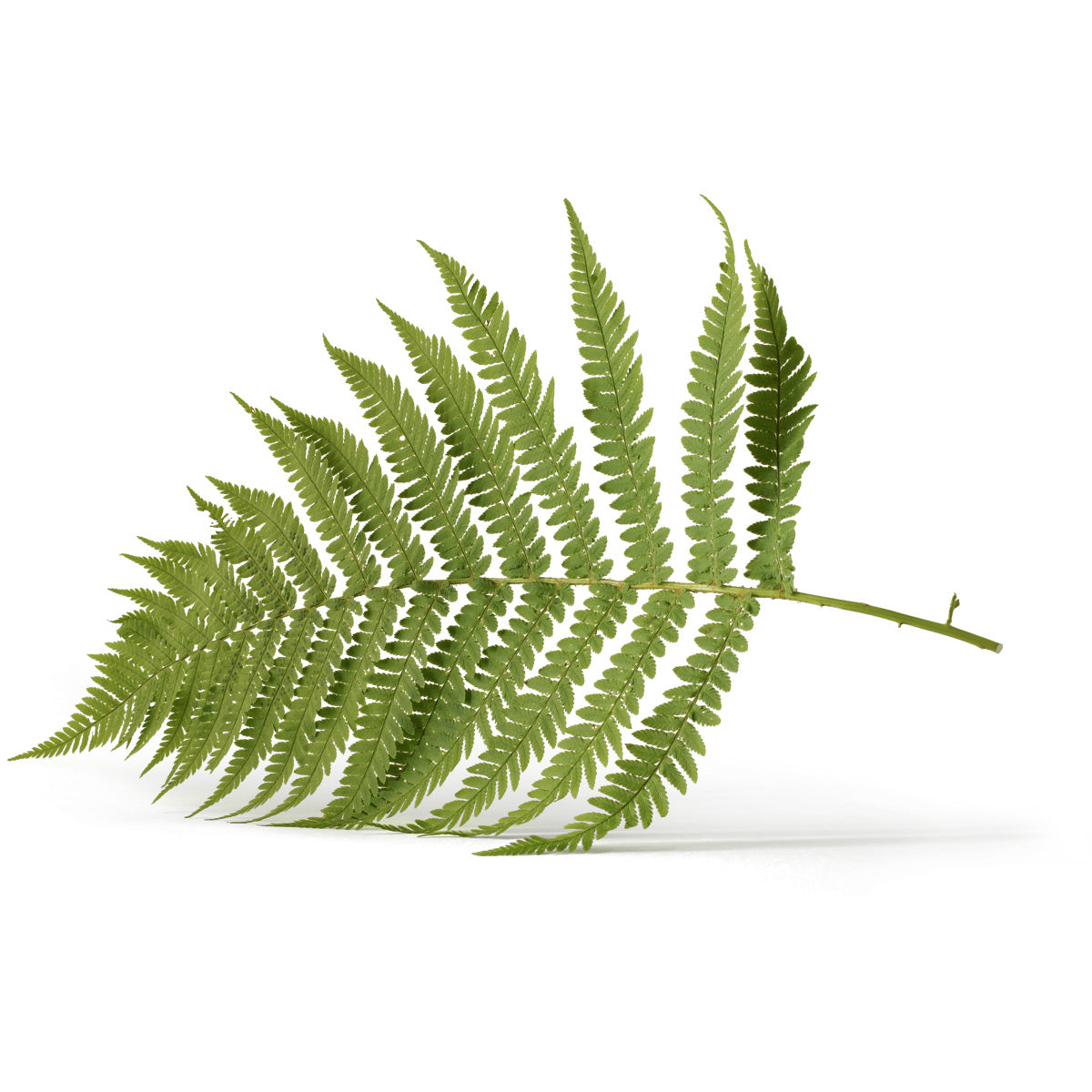
Local Resources
We aim to connect food producers and consumers in the same geographic region, to develop more self-reliant and resilient food networks; improve local economies; or to affect the health, environment, community, or society of a particular place.
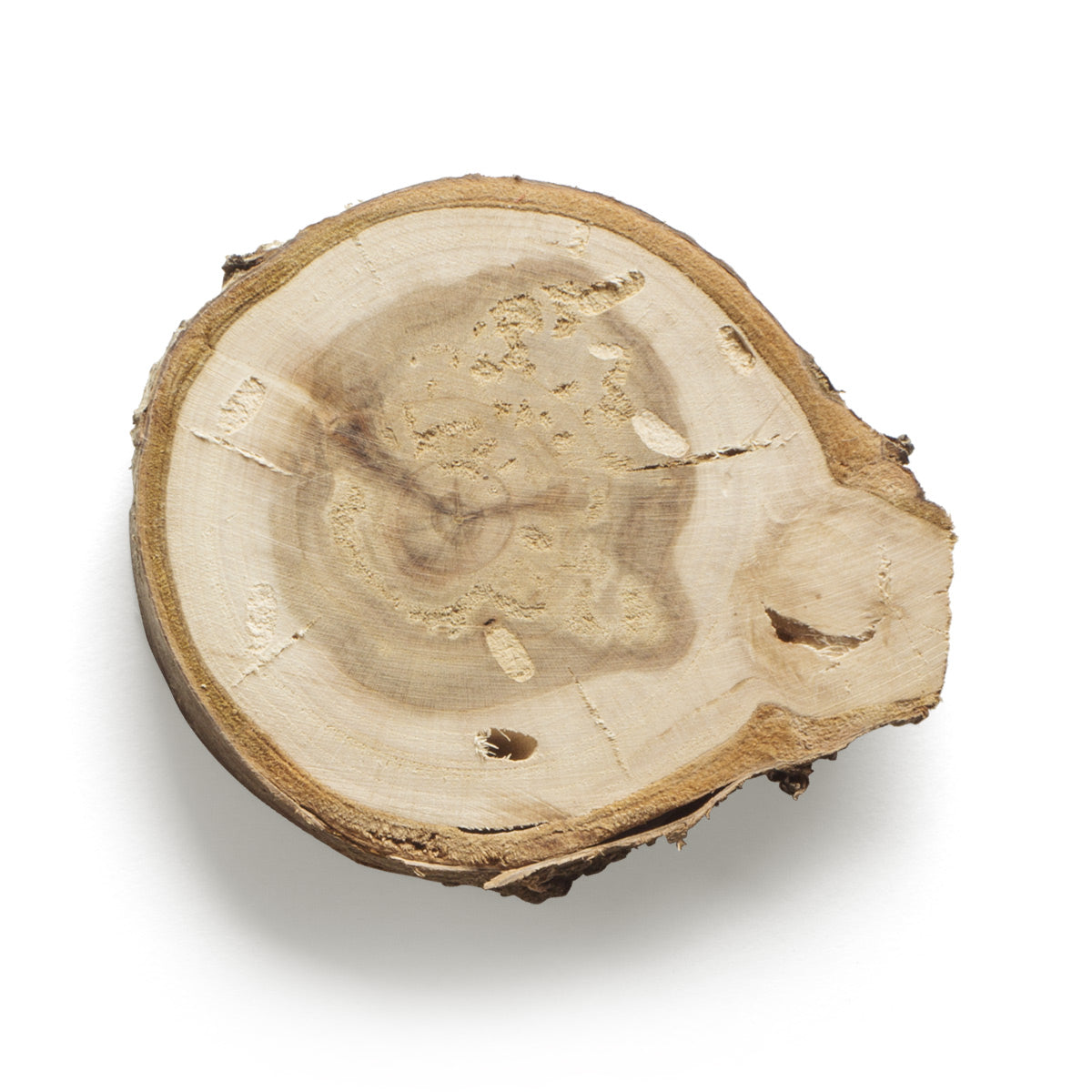
Sustainable
Societal goal with three dimensions: the environmental, economic and social dimension. This concept can be used to guide decisions at the global, national and at the individual consumer level. A related concept is that of sustainable development. Both terms are often used synonymously.
Our favourite products